For Sellers
Preparing Your Home for Sale: What Buyers Notice First
First impressions matter when selling a property. Discover practical ways to prepare your home for viewing, present it effectively, understand buyer expectations and approach the selling process with greater confidence.
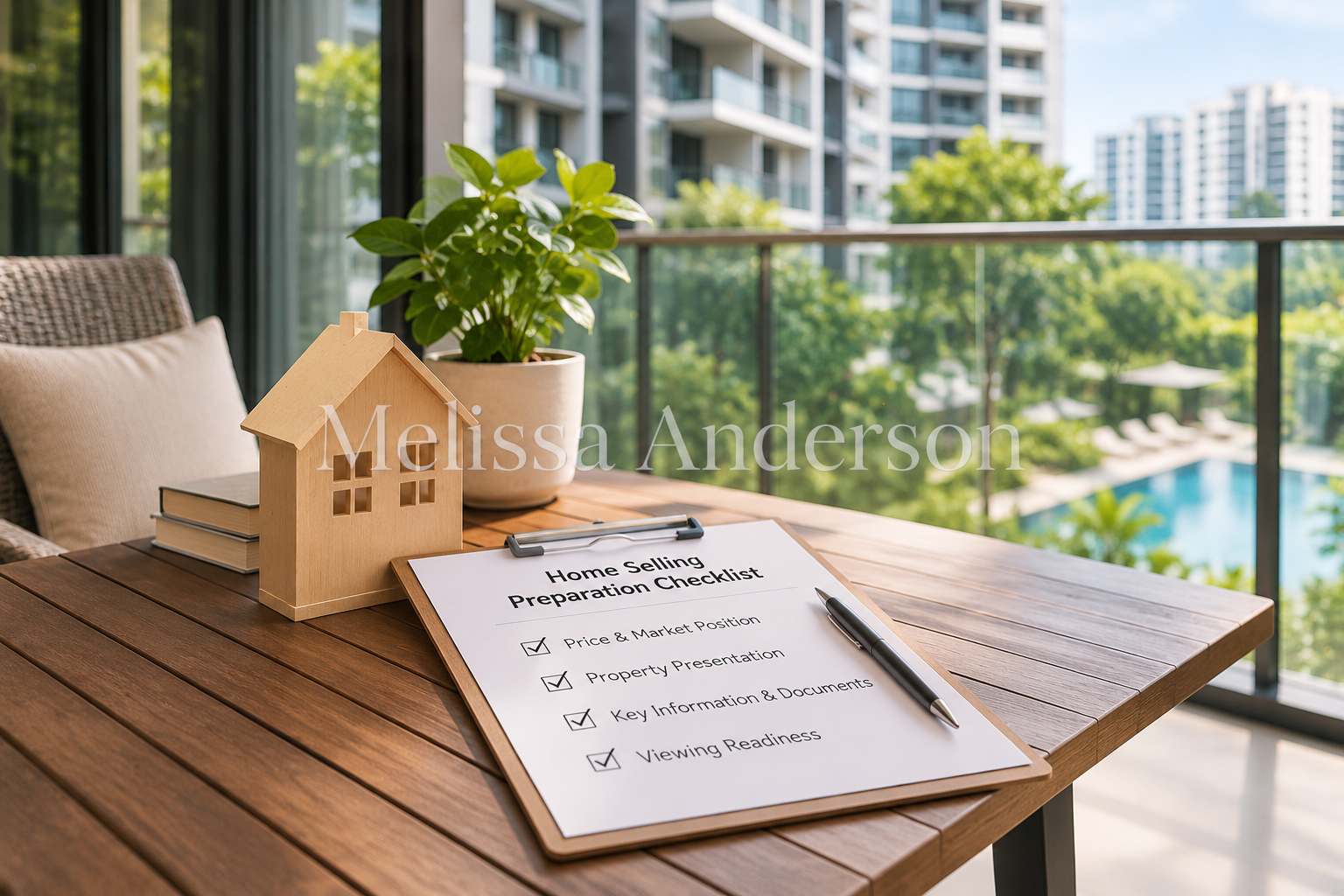
First Impressions Can Shape a Buyer's Decision
Selling a property involves more than placing a listing online and waiting for enquiries. How your home is presented, how it is priced and how smoothly potential buyers can view it can all influence the selling experience.
In Singapore's property market, buyers can compare different property types, locations, layouts and price points before deciding which homes deserve their attention.
This makes preparation especially important.
Whether you are selling an HDB flat, condominium or landed property, taking the right steps before going to market can help you present your home more effectively and attract more relevant interest.
Here are six practical ways to prepare your property for a successful sale.
1. Understand Your Property's Position in the Market
Before making any preparations, take time to understand how your property compares with similar homes currently available.
Start by reviewing comparable properties in the same development or neighbourhood. Look at factors such as:
Property type and tenure.
Floor area and unit layout.
Floor level and orientation.
Overall condition and renovation standard.
Recent transaction prices.
Competing listings and their asking prices.
It is important to distinguish between an asking price and an actual completed transaction.
An advertised price reflects what a seller hopes to achieve. A completed transaction provides a more useful reference for understanding what buyers have actually paid.
The goal is to establish a realistic pricing strategy based on evidence, rather than relying solely on expectations or the highest price seen in another listing.
2. Improve the First Impression
Buyers often form an initial impression before they have even stepped inside the property.
A clean, well-maintained entrance and an organised interior can make your home feel more inviting.
Start with simple improvements:
Clean the floors, windows and frequently used surfaces.
Remove unnecessary items from walkways and common spaces.
Organise shoes, personal belongings and storage areas.
Repair minor defects where practical.
Replace burnt-out light bulbs.
Ensure the home is properly ventilated.
Keep the entrance and main living areas tidy.
Pay particular attention to the kitchen and bathrooms. Buyers may look closely at these spaces because their condition can influence how much additional work they expect to undertake.
You do not necessarily need an expensive renovation to improve presentation. Often, careful cleaning, decluttering and basic maintenance can make a meaningful difference.
3. Make the Space Feel More Open and Versatile
A buyer should be able to imagine how they might live in your property.
Excessive furniture, crowded storage areas and highly personalised decorations can make rooms feel smaller or distract attention from the property's actual features.
Consider a few simple presentation techniques:
Declutter
Remove items that are not needed for everyday use. Keep surfaces and walkways as clear as possible.
Keep the styling neutral
Where possible, use simple colours and minimise overly personal decorations. This helps different buyers imagine their own furniture and lifestyle in the space.
Highlight practical features
Showcase useful storage, natural lighting, functional layouts and any features that make the property distinctive.
Create a welcoming atmosphere
Open the curtains, switch on appropriate lighting and ensure the property is clean and comfortable before each viewing.
The objective is not to make your home look unrealistic. It is to help buyers appreciate its space, condition and potential.
4. Prepare Accurate Property Information
Presentation attracts attention, but reliable information helps buyers make decisions.
Before marketing begins, organise the key details and documents relating to your property.
Depending on the property and transaction, relevant information may include:
Property type, floor area and layout.
Tenure and relevant lease information.
Renovation history and available records.
Existing maintenance concerns.
Included fittings, appliances or fixtures.
Outstanding matters that may affect the transaction.
Be transparent and accurate when describing the property. Avoid exaggerating its features or making claims that cannot be substantiated.
If you are unsure about documentation, ownership matters or transaction requirements, seek clarification from the appropriate professionals before proceeding.
Clear information builds confidence and can reduce unnecessary misunderstandings during the selling process.
5. Make Property Viewings Easy for Potential Buyers
A well-presented home still needs to be accessible to interested buyers.
Consider how you can arrange viewings in a way that is convenient while respecting your own schedule and privacy.
Some practical considerations include:
Agreeing on suitable viewing days and time slots.
Keeping the property presentable before appointments.
Allowing buyers enough time to walk through the rooms.
Providing clear answers to questions where information is available.
Keeping pets and personal valuables appropriately managed.
Giving buyers the opportunity to assess the property without unnecessary pressure.
During viewings, buyers may ask about maintenance, nearby amenities, renovation work and the reason for selling.
Preparing thoughtful and factual responses can make conversations more productive.
6. Evaluate Offers With Your Overall Plans in Mind
Receiving an offer is an important milestone, but the highest proposed price is not necessarily the only factor worth considering.
Before deciding, review the full terms and your own priorities.
Consider:
The proposed purchase price.
The buyer's readiness and financing position.
Any conditions attached to the offer.
The proposed transaction timeline.
Your preferred completion and moving arrangements.
Your next property or accommodation plans.
It is also important to understand the estimated amount you may receive after relevant outstanding obligations and transaction costs.
A clear view of the financial outcome can help you decide whether an offer supports your wider plans.
Before accepting an offer, make sure you understand its terms and any relevant obligations. Obtain professional advice where necessary.
In Conclusion
Preparing your property for sale is about helping potential buyers recognise its value and understand what makes it suitable for their needs.
A sensible pricing strategy, thoughtful presentation, accurate information and well-organised viewings can all contribute to a more structured selling experience.
Most importantly, prepare with a clear understanding of your desired outcome and what you need to accomplish after the sale.
A successful sale is not simply about putting your property on the market. It is about making informed decisions at every stage of the process.
Thinking About Selling Your Property?
Whether you are planning to sell soon or simply exploring your options, understanding your property's position in the market is a useful first step.
Let's have a friendly conversation about your property, your selling goals and the next steps that may be suitable for you.